

Registered dietitian Melissa Matteo warns, “Proceed with caution” when looking at fat burners. This is because the weight loss market is huge.
Many people are drawn to metabolism-boosting supplements for a quick solution. But, how well do they really work?
Every year, Americans spend over $2 billion on weight-loss pills. It’s important to look at the science behind these products. This includes how they work and what’s in them, like caffeine and green tea extract.
To dive deeper into the effectiveness of fat burners, we’ll check out what experts say and what research shows.
Key Takeaways
- The weight loss industry is a multi-billion-dollar market.
- Fat burners are not regulated by the FDA.
- Common ingredients include caffeine, green tea extract, and carnitine.
- Some ingredients may have adverse health effects.
- Effectiveness of fat burners is a topic of ongoing debate.
What Are Fat Burners and What Do They Claim?
Fat burners have become popular in the wellness world. They promise to help people lose weight. These supplements aim to boost fat burning effects by speeding up metabolism, cutting down fat absorption, or reducing hunger. You can find them as pills, powders, or liquids, packed with ingredients like caffeine, green tea extract, and L-carnitine.
Common Types of Fat Burners on the Market
The market offers many fat burners, each with its own mix of ingredients. Some aim to increase thermogenesis, using caffeine to raise body heat and burn more fat. Others say they block fat absorption or suppress appetite. The variety shows how different ways manufacturers think their products help with weight loss.
Ingredients like caffeine boost metabolism and energy use. Green tea extract and L-carnitine are thought to help burn fat better and improve weight loss results.
Bold Marketing Claims vs. Reality Check
Manufacturers of fat burners often boast about quick weight loss. But these claims often rely on personal stories or small studies. Looking closer at the science, we find that many fat burners’ effectiveness is not well-supported.
Some ingredients, like caffeine, might help a bit with weight loss. But the real question is, do fat burners work well overall? It’s key to be skeptical of marketing and look at the science before buying.
Do Fat Burners Work? The Scientific Evidence
Many people wonder if fat burners really work. The answer comes from scientific studies, which show mixed results.
Research suggests that some fat burners might help with weight loss. But, the FDA doesn’t regulate them, so quality and safety vary a lot.
What Clinical Research Actually Shows
Studies have looked into fat burners’ effectiveness. For example, caffeine and green tea extract might help burn fat.
A study in the International Journal of Obesity found that caffeine and green tea extract increased fat burning in healthy people.
Limitations and Gaps in Current Studies
Some studies say fat burners might work, but there are big issues. Many studies are funded by companies that make these products, which can skew results.
Most studies last only a short time. This makes it hard to know if fat burners are safe and effective in the long run. We need more thorough and unbiased research.
In summary, some fat burners might help with weight loss. But, the science isn’t clear yet, and we need more studies to understand their effects.
Breaking Down Common Fat Burner Ingredients
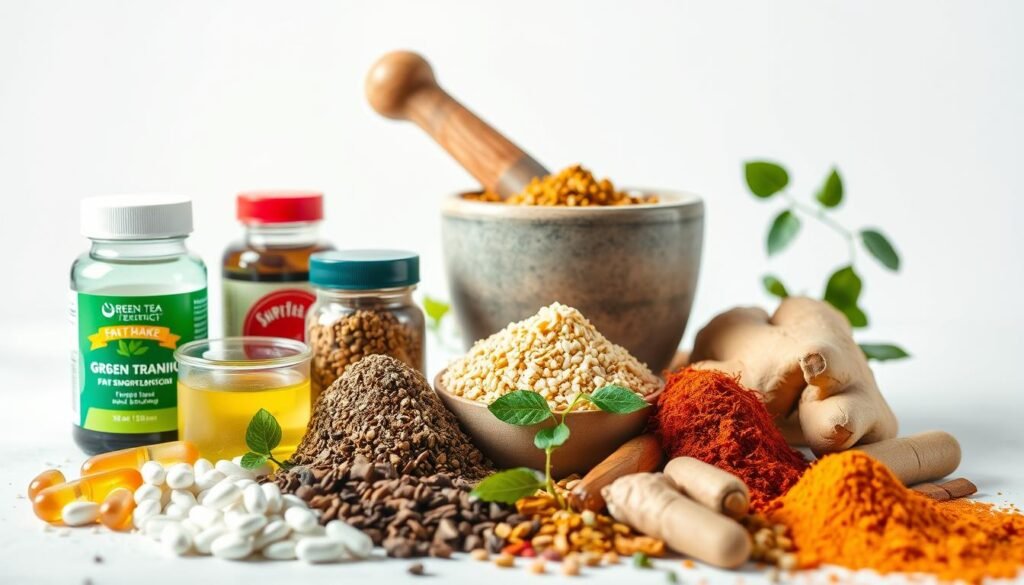
Fat burners have many ingredients, each with its own benefits and side effects. Let’s look at what’s in them. You’ll find caffeine, green tea extract, L-carnitine, and herbal extracts. Each one is said to help with weight loss in different ways.
Caffeine and Other Stimulants
Caffeine is a key ingredient in many fat burners. It boosts metabolism and energy. Studies show it can increase thermogenesis and fat oxidation, helping with weight loss. But, how it affects you can vary.
Other stimulants like synephrine and yohimbine are also used. But, their safety and effectiveness are debated. Be careful of side effects like jitteriness and a faster heart rate.
Green Tea Extract and EGCG
Green tea extract is known for its antioxidants and weight loss benefits. EGCG, a key part of green tea, is thought to boost fat burning and metabolism. But, the quality of green tea extract can differ a lot.
L-Carnitine and Conjugated Linoleic Acid
L-carnitine helps transport fatty acids for energy. Some studies suggest it aids in weight loss. Conjugated linoleic acid (CLA) is also studied for fat reduction.
While these ingredients have supporters, it’s important to be cautious. Results can vary a lot from person to person.
Garcinia Cambogia and Raspberry Ketones
Garcinia cambogia and raspberry ketones are popular in fat burners. Garcinia cambogia may reduce appetite and fat production. Raspberry ketones are believed to boost metabolism. But, the science on their effectiveness is mixed.
Newer Trending Ingredients
New ingredients like forskolin and berberine are getting attention. They’re thought to have metabolic benefits. But, more research is needed to know their impact on weight loss.
The fat burner market keeps growing. It’s important for users to know what’s in their products. And, they should be skeptical of claims.
Potential Risks and Side Effects
Exploring fat burners reveals their potential risks and side effects. These supplements aim to help with weight loss but their safety and effectiveness are often in doubt.
Common Adverse Reactions I've Observed
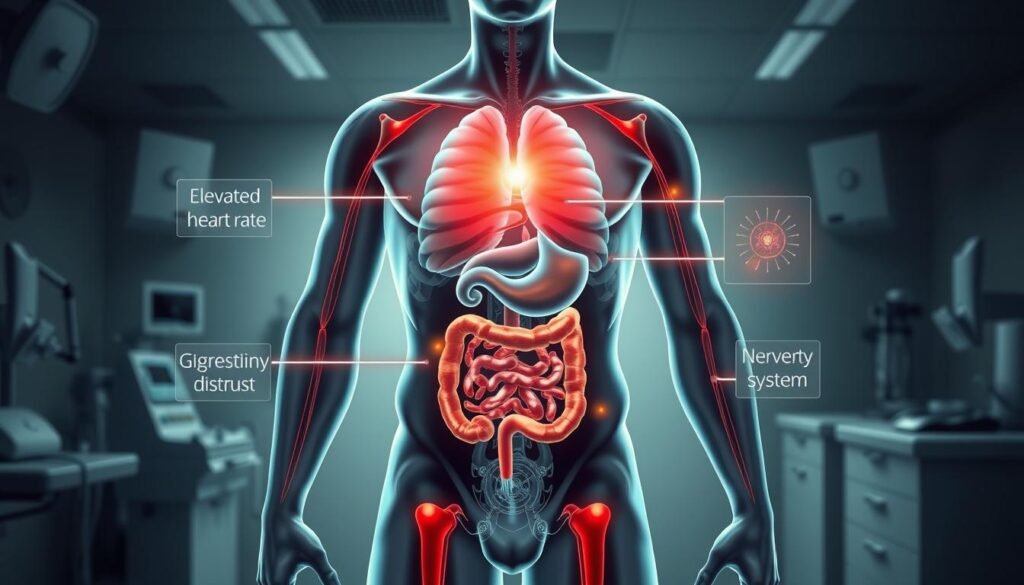
Many people using fat burners face issues like jitteriness, insomnia, and a faster heart rate. These problems usually come from the stimulants in these products, like caffeine. It’s important to know about these possible side effects, mainly for those with health issues.
Some users might also deal with anxiety, nausea, and stomach problems. The severity of these issues can differ based on the person and the supplement’s ingredients.
FDA Regulation (or Lack Thereof)
Fat burners often lack FDA oversight, which means they might include unsafe or untested ingredients. This lack of control is a big risk for users, who might unknowingly take harmful substances.
Dietary supplements, like fat burners, don’t go through the same testing as medicines. This gap in regulation highlights the need for caution when using these products.
In summary, fat burners might offer weight loss benefits, but their risks and side effects are significant. Understanding these issues and the lack of FDA regulation helps people make better choices about using these supplements.
Better Alternatives for Sustainable Fat Loss
The secret to lasting fat loss is in proven methods, not quick fixes. Fat burners might promise fast weight loss, but these results don’t last. Instead, try proven nutrition plans, effective workouts, and lasting lifestyle changes for better weight management.
Evidence-Based Nutrition Approaches
Nutrition is key for fat loss. Eating more protein can boost metabolism and cut hunger. Soluble fiber also helps, as it keeps you feeling full and aids digestion. Eating whole foods like veggies, fruits, and grains gives you the nutrients you need for a healthy weight.
A study in the Journal of the American Medical Association showed that a diet rich in protein and fiber leads to weight loss and better health.
Exercise Strategies That Actually Work
Exercise is crucial for lasting fat loss. Mixing cardio and strength training burns calories and builds muscle. High-intensity interval training (HIIT) is great for weight loss, as it burns more calories and boosts metabolic health.
- Include aerobic exercises like running or cycling in your routine.
- Strength training helps build muscle and increases metabolism.
- HIIT is a quick and effective workout option.
Lifestyle Changes for Long-Term Results
For lasting fat loss, commit to healthy habits. Getting enough sleep is key, as bad sleep messes with hunger and fullness hormones. Managing stress with meditation or yoga also supports weight loss.

By using these evidence-based methods, you can achieve lasting weight loss and better health.
Conclusion: The Truth About Fat Burners
Exploring weight loss supplements shows that fat burners’ benefits are often overstated. Supplements like green tea extract, protein, and fiber might help with weight loss. But, many popular fat burners lack solid scientific backing.
It’s wise to view these supplements with a critical eye. Remember, a healthy diet and regular exercise are key for lasting weight loss.
If you’re looking to add supplements to your weight loss plan, pick ones with solid science behind them. For more on effective weight loss supplements, check out Lozyfit. They offer insights into various supplements, including their ingredients and benefits.
In summary, fat burners might seem like quick solutions, but a balanced lifestyle is the best way to lose and keep off weight. Being well-informed and cautious helps make better choices. This way, you avoid harmful supplements and stick to proven methods.
FAQ
Are fat burners effective for weight loss?
Fat burners might help with weight loss, but the science is mixed. Their success depends on the person and the ingredients.
What are the most common ingredients in fat burners?
You’ll often find caffeine, green tea extract, L-carnitine, and more. Conjugated linoleic acid, Garcinia cambogia, and raspberry ketones are also common.
Do fat burners really help increase metabolism?
Some, like caffeine, might boost metabolism a bit. But the effect is usually small and doesn’t last long.
Are there any potential side effects of taking fat burners?
Yes, side effects can include jitteriness, anxiety, and trouble sleeping. You might also experience digestive issues and a faster heart rate, mainly with stimulant-based fat burners.
Are fat burners regulated by the FDA?
No, the FDA doesn’t regulate fat burners as tightly as medicines. So, it’s key to pick trusted brands and talk to a doctor before using them.
Can I rely solely on fat burners for weight loss?
No, you shouldn’t count only on fat burners for losing weight. A healthy diet and regular exercise are crucial for lasting results.
What are some evidence-based alternatives to fat burners?
Better options include eating well with lots of fruits, veggies, and whole grains. Regular cardio and strength training are also key. Plus, managing stress and getting enough sleep helps too.
Can new metabolism promoters help with fat loss?
Some new products might help with fat loss, but the science is still out. Results can vary from person to person.
How do I choose a safe and effective fat burner?
Look for well-known brands with clear labels and third-party tests. Always talk to a doctor about any concerns or side effects.