
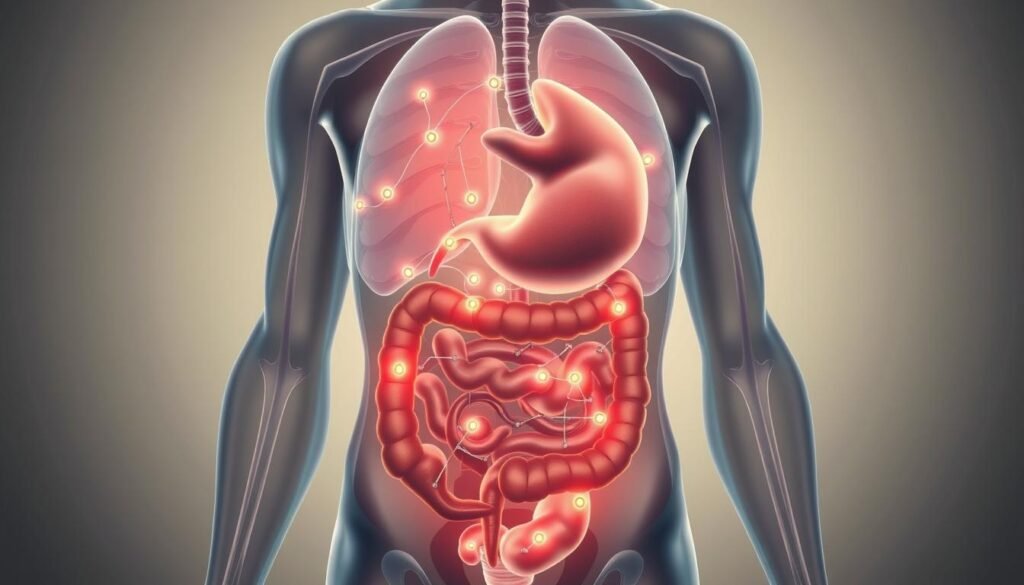
“You don’t have to be great to start, but you have to start to be great.” – Zig Ziglar. Starting your weight loss journey requires understanding the basics of metabolism.
Metabolism is how your body turns food and drinks into energy. The Mayo Clinic says calories from food and drinks mix with oxygen to create the energy your body needs.
This complex process affects your body’s energy needs. It plays a key role in weight management. A good metabolism helps you keep a healthy weight. But a slow metabolism can cause weight gain.
Key Takeaways
- Metabolism is the body’s process of converting food into energy.
- A healthy metabolism is crucial for effective weight management.
- Factors such as diet and exercise can influence metabolic rate.
- Understanding metabolism can help you make informed decisions about your weight loss strategy.
- A well-functioning metabolism supports overall health and well-being.
Understanding the Science of Metabolism
Metabolism is how our body turns food into energy and the stuff we need to grow and stay healthy. It’s a complex process with many biochemical reactions. These reactions help our body work right.
What Metabolism Actually Means
Metabolism is the sum of all chemical reactions in an organism to keep it alive. It breaks down nutrients to make energy and builds new molecules for growth and repair.
The Different Types of Metabolic Processes
There are two main types of metabolic processes: catabolism and anabolism. Catabolism breaks down complex molecules into simpler ones, releasing energy. Anabolism builds complex molecules from simpler ones, needing energy.
How Your Body Burns Calories
The body burns calories through energy expenditure. This includes basal metabolic rate (BMR), physical activity, and thermogenesis. BMR is the calories needed for basic life functions.
Muscle mass is key in BMR because it needs more energy than fat tissue. Increasing muscle mass can boost metabolism and help burn fat. Knowing how metabolism works is important for good health and weight management.
Metabolism and Weight Loss: The Critical Connection
Knowing how metabolism and weight loss are connected is key to managing weight well. Many think a slow metabolism leads to weight gain. But, the Mayo Clinic says weight is more about what we eat and drink, and how active we are.
Common Misconceptions About Metabolism
Many believe a slow metabolism is the main cause of weight gain. But, metabolism is just one of many things that affect weight. Metabolism is how our body turns food into energy.
Basal Metabolic Rate (BMR) Explained
Basal Metabolic Rate (BMR) is how many calories our body needs when we’re resting. It’s the biggest part of how we use energy. Knowing about BMR helps us make good plans for losing weight.
| Factors Influencing BMR | Description |
|---|---|
| Age | BMR decreases with age |
| Weight | BMR increases with weight |
| Height | BMR increases with height |
Why Metabolic Rate Matters for Weight Management
A faster metabolic rate helps with weight loss by burning more energy. By knowing how to change our metabolic rate, we can manage our weight better. Adding exercise and changing what we eat can boost our metabolism.
In summary, while metabolism is important for weight loss, it’s not everything. By learning about BMR and clearing up misconceptions, we can find good ways to lose weight. This includes changing our diet, exercise, and lifestyle to help us lose 体重减轻 (weight).
Case Study: Transforming Metabolism for Better Results
Sarah’s story shows how changing your metabolism can lead to weight loss. With hard work and the right plan, anyone can reach their weight loss goals.
Meet Sarah: The Struggle with Slow Metabolism
Sarah, a 35-year-old marketing executive, had a hard time losing weight. She tried dieting and exercising but her slow metabolism made it tough. She felt frustrated as her friends seemed to lose weight easily.
Initial Assessment and Metabolic Testing
The first step for Sarah was a detailed metabolic check-up. This included:
- Basal Metabolic Rate (BMR) testing to understand her resting energy expenditure.
- A thorough dietary analysis to identify nutritional deficiencies and areas for improvement.
- An assessment of her physical activity levels and types.
These tests showed Sarah’s metabolic health and what needed to change.
The 12-Week Intervention Plan
After the assessment, a 12-week plan was made for Sarah. The plan included:
- Nutritional adjustments focusing on whole foods and balanced macronutrients.
- A customized exercise regimen that included both aerobic and strength training to boost her metabolic rate.
- Lifestyle changes such as stress management techniques and improved sleep hygiene.
Measuring Progress and Adjusting Approach
During the 12 weeks, Sarah’s progress was closely watched. Regular check-ins and metabolic testing helped adjust her plan as needed. This flexible approach kept Sarah motivated and on track. By the end, Sarah had lost weight and improved her metabolic health, showing the success of a tailored weight loss plan.
Practical Strategies to Boost Metabolism for Weight Loss
Boosting your metabolism can change the game for weight loss. A faster metabolism helps you lose weight and improves your health. We’ll look at ways to increase your metabolic rate, including diet, exercise, and lifestyle changes.
Nutrition Adjustments That Work
Your diet affects your metabolic rate. Some foods boost metabolism, while others slow it down. Incorporating metabolism-boosting foods into your diet can make a big difference.
Protein Intake and Thermic Effect
Protein burns more calories than carbs and fats. Eating protein-rich foods like lean meats and legumes boosts metabolism. Aim for a balanced diet with enough protein at each meal.
Meal Timing and Frequency
Eating small meals often keeps your metabolism going. This stops hunger and prevents overeating. Starting with a nutritious breakfast boosts your metabolism.

Exercise Protocols for Metabolic Enhancement
Exercise is key for metabolic health. Certain exercises boost your metabolic rate, aiding in weight loss and maintenance.
Strength Training Benefits
Strength training builds muscle. More muscle means a higher resting metabolic rate. Include weightlifting, bodyweight exercises, or resistance bands in your routine.
High-Intensity Interval Training (HIIT)
HIIT involves short, intense exercise followed by rest. It boosts metabolism and improves heart health. Try sprint intervals, burpees, and jump squats for HIIT workouts.
Lifestyle Changes with Metabolic Benefits
Some lifestyle changes also impact metabolism. Focusing on overall well-being supports a healthy metabolism.
Sleep Quality Optimization
Poor sleep harms metabolism, leading to weight gain. Good sleep is essential. Create a sleep-friendly environment and avoid caffeine before bed.
Stress Management Techniques
Chronic stress slows metabolism. Stress-reducing activities like meditation and yoga help. Regular exercise also reduces stress.
By using these strategies, you can improve your metabolic health. This supports your weight loss journey and overall well-being. A mix of diet, exercise, and lifestyle choices is crucial for a faster metabolism.
Conclusion: Sustainable Weight Management Through Metabolic Health
Keeping a healthy weight, after losing weight, is all about balance. It’s about making sure you take in the right amount of energy and burn the right amount. This balance is key to keeping your metabolism in check.
Studies show that keeping off lost weight is hard. More than half of the weight lost is gained back within two years. To keep weight off for good, focus on your metabolic health. This means making smart food choices, staying active, and changing your lifestyle.
Learning about metabolism and how it affects weight loss is important. It helps you make better choices to boost your metabolic rate. Eat well, move often, and live a healthy lifestyle. This way, you can keep a healthy weight and avoid gaining it back.
Good weight loss plans focus on improving metabolic health, not just losing weight. By putting metabolism first, you can manage your weight in a healthy way. This supports your overall health and lowers the risk of chronic diseases.
FAQ
What is metabolism, and how does it affect weight loss?
Metabolism is how your body turns food into energy. It’s key for weight loss because it shows how well you burn calories. A quicker metabolism means you burn more calories, making weight loss easier.
How does basal metabolic rate (BMR) impact weight management?
BMR is the calories your body needs to rest. It’s a big part of your daily calorie use. Knowing your BMR helps you manage your weight. A higher BMR means you burn more calories, aiding in weight loss.
What are some common misconceptions about metabolism?
Many think a slow metabolism causes weight gain. But, diet and exercise also matter. Some believe certain foods or supplements can greatly boost metabolism. Yet, a balanced diet and regular exercise are better for your metabolism.
How can I naturally promote my metabolism?
Eating protein, doing strength training and HIIT, getting enough sleep, and managing stress can boost your metabolism. Foods high in fiber and antioxidants, like green tea and citrus fruits, also help.
Can certain foods or supplements boost my metabolism?
Foods like green tea, chili peppers, and citrus fruits might slightly boost metabolism. But, a balanced diet is more effective. Always talk to a healthcare professional before trying supplements.
How does muscle mass affect metabolism?
Muscle mass is crucial for metabolism. Muscle needs more energy than fat. The more muscle you have, the more calories you burn at rest.
What lifestyle changes can benefit my metabolic health?
Better sleep, stress management, and daily physical activity improve metabolic health. Regular exercise, including strength and aerobic workouts, is vital for a healthy metabolism.