

“The greatest wealth is health,” Virgil once said. Today, many chase effective weight management for optimal health. But, many myths surround this topic, leading to confusion.
There are many myths about weight management. These myths confuse and frustrate those wanting a healthier life. It’s important to clear up these myths to understand real weight management strategies.
Exploring common misconceptions shows the need to separate fact from fiction. Knowing the truth helps make better health choices. This knowledge is key for a healthier life.
Key Takeaways
- Common myths about weight management can hinder progress.
- Understanding the truth behind these myths is crucial.
- Separating fact from fiction leads to better health decisions.
- Effective weight management strategies are often misunderstood.
- Debunking myths can lead to a more informed approach to health.
The Most Persistent Weight Loss Myths Debunked
Weight loss myths are everywhere, and it’s time to clear them up. Many people believe these false ideas because of bad information. They don’t really get how weight loss works.
Why These Misconceptions Continue to Spread
Misunderstandings about weight loss spread fast on social media and through talking. For example, the myth that some foods or supplements can make you lose weight is common. But, visiting a trusted site like Lozyfit can give you the real facts to fight these myths.
How Falling for These Myths Affects Your Progress
Believing in weight loss myths can really slow you down. Thinking skipping meals helps you lose weight can cause you to miss out on nutrients. It can even make your metabolism slower. Knowing the truth is key to reaching your weight loss goals.
| Myth | Reality |
|---|---|
| Skipping meals helps with weight loss | Skipping meals can lead to nutrient deficiencies and slow down metabolism |
| Certain foods magically lead to weight loss | No single food can cause weight loss; a balanced diet is key |
By knowing the truth about these myths, you can make better choices for your weight loss journey.
Myth #1: "Carbs Are the Enemy of Weight Loss"
Carbohydrates have been unfairly blamed for weight loss issues. It’s time to correct this. The truth is, carbs are vital for a healthy diet.
The Essential Role of Carbohydrates in Your Body
Carbohydrates are the body’s main energy source. They help the brain, nervous system, and muscles work right. Foods like fruits, veggies, and whole grains are full of nutrients and fiber. They are good for you.
How to Choose the Right Carbs for Weight Management
To manage weight well, pick the right carbs. Choose whole, unprocessed foods like:
- Whole grains (brown rice, quinoa, whole wheat bread)
- Fruits (apples, berries, citrus fruits)
- Vegetables (leafy greens, broccoli, bell peppers)
Avoid or cut down on refined and processed carbs. White bread and sugary snacks can slow down weight loss. By choosing wisely, you can help your weight loss goals and stay healthy.
Myth #2: "You Must Exercise Intensely Every Day to Lose Weight"
Many believe intense daily exercise is key for weight loss. But, what’s the real truth? As I explore weight loss, it’s clear that exercise is crucial. Yet, how often and how hard you should work out is often misunderstood.
The Truth About Exercise Frequency and Intensity
Studies show regular exercise is important for losing weight. But, you don’t need to work out hard every day. A mix of moderate and intense workouts is better. This way, you avoid burnout and lower injury risks.
Finding Your Sustainable Activity Sweet Spot
For weight loss, finding a workout routine you can keep up with is key. Know your fitness level, set achievable goals, and slowly increase workout intensity and frequency. This helps you build a lasting exercise habit that aids your weight loss.
Myth #3: "All Dietary Fat Leads to Body Fat"
Dietary fat does not directly cause more body fat. The link between them is complex, involving many factors.
Understanding the Different Types of Fats
Dietary fats are split into saturated, unsaturated, and trans fats. Unsaturated fats, like monounsaturated and polyunsaturated, are good for you. They help your body absorb vitamins and keep your heart healthy.
How Healthy Fats Actually Support Weight Loss
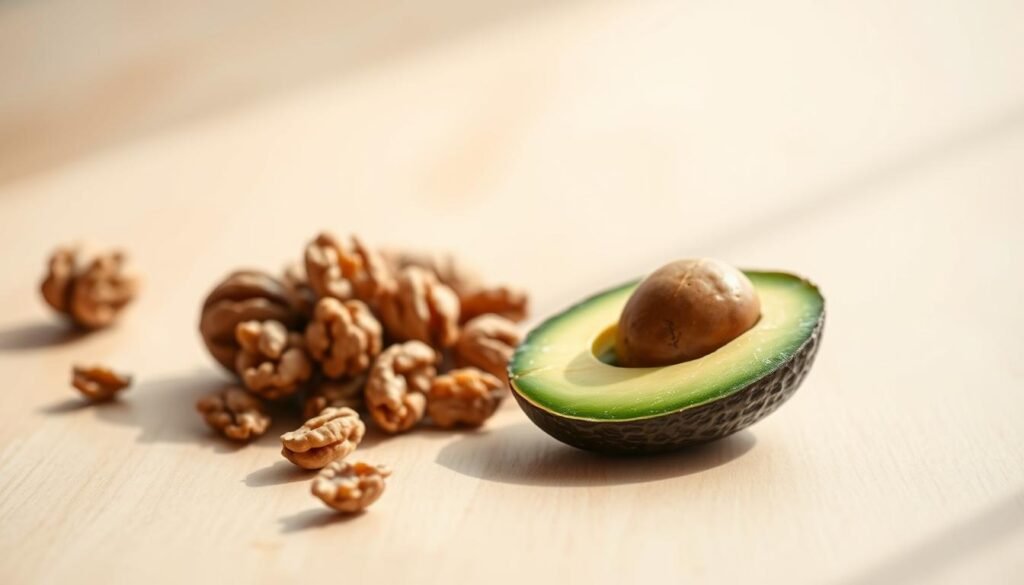
Healthy fats help with weight loss by making you feel full and giving you energy for a long time. They also help your body absorb important nutrients.
| Type of Fat | Effect on Body | Food Sources |
|---|---|---|
| Saturated | Can increase cholesterol levels | Red meat, full-fat dairy |
| Unsaturated | Supports heart health and satiety | Avocados, nuts, olive oil |
| Trans Fats | Negatively impacts heart health | Processed foods, fried foods |
Knowing about the different fats and their effects helps you make better choices. This supports your weight loss goals.
Myth #4: "Supplements and Detoxes Are Required for Effective Weight Loss"
Many people think you need supplements or detoxes to lose weight. They spend a lot of money on these products, hoping they will help them reach their goals.
What the Research Actually Says About Weight Loss Products
Most weight loss supplements don’t work, research shows. Eating well and exercising regularly are better for losing weight. These products often don’t have scientific proof and can even be dangerous.
Natural Alternatives That Actually Work
Instead of supplements, eat more fruits, veggies, lean proteins, and whole grains. Adding physical activity to your day can also help. Drinking water and getting enough sleep are key for a healthy weight.
Myth #5: "Skipping Meals Accelerates Weight Loss"
Many believe skipping meals helps with weight loss. But, this is a myth. Skipping meals can actually hinder your weight loss efforts.

The Impact of Meal Timing on Metabolism
Meal timing affects your metabolism. Skipping meals puts your body in starvation mode. This slows down your metabolism and makes losing weight harder.
Eating regular, balanced meals keeps your metabolism stable. Experts say this is better for losing weight. It also keeps your energy levels up all day.
Structured Eating Approaches That Support Your Goals
Using a structured eating plan can help you reach your weight loss goals. Eat nutrient-dense meals at set times. This keeps your metabolism going and prevents hunger.
| Eating Approach | Benefits |
|---|---|
| Regular, Balanced Meals | Supports metabolic health, maintains energy levels |
| Skipping Meals | Can lead to nutrient deficiencies, slows down metabolism |
Understanding how meal timing affects your metabolism is key. Adopting a structured eating plan helps you make choices that support your weight loss goals.
“Eating regular, balanced meals is crucial for maintaining a healthy metabolism and supporting weight loss efforts.”
Myth #6: "Weight Loss Is Simply About Calories In, Calories Out"
Many think weight loss is just about eating less and moving more. But it’s not that simple. The truth is, losing weight involves much more than just numbers.
The Complex Hormonal Factors That Influence Weight
Hormones like insulin, leptin, and ghrelin are key players in weight loss. They control hunger, metabolism, and fat storage. For example, insulin resistance can cause weight gain. An imbalance in leptin and ghrelin affects how hungry or full we feel.
Some important hormonal factors include:
- Insulin sensitivity and resistance
- Leptin’s role in energy balance
- Ghrelin’s influence on appetite
Why Personalization Matters More Than Generic Advice
Because of the complex role of hormones and metabolism, generic weight loss plans often don’t work. A personalized approach, considering an individual’s unique needs, is more effective. This way, people can reach and keep their weight loss goals.
Key considerations for personalized weight loss include:
- Genetic predispositions
- Dietary preferences and intolerances
- Lifestyle factors, such as stress levels and sleep quality
Conclusion
It’s important to know the truth about common weight loss myths. This knowledge helps us reach our weight loss goals in a healthy way. By clearing up these misconceptions, we can adopt better diet and exercise habits.
The link between food, our bodies, and weight is complex. There’s no quick fix. Instead, sticking to a healthy diet, regular exercise, and lasting lifestyle changes are the keys to losing weight. For more tips, check out Oviva’s guide to weight loss myths.
By steering clear of common weight loss myths, we can build a healthier relationship with food and exercise. This approach leads to a more lasting weight loss journey.
FAQ
What are some common weight loss myths that people believe in?
Many believe carbs are bad for losing weight. They think intense daily exercise is key. Some also believe all dietary fat turns into body fat.
Others think supplements and detoxes are essential. They believe skipping meals speeds up weight loss. And they think losing weight is just about calories in and out.
Why do people fall for weight loss myths?
People fall for these myths because they’re often misinformed. This can happen when they don’t understand how the body works. Or when they’re looking for a quick fix.
How can I choose the right carbs for weight management?
Choose whole, unprocessed foods like fruits, veggies, and whole grains. These foods are full of fiber, vitamins, and minerals. They help you feel full and satisfied.
How often should I exercise to lose weight?
The right exercise frequency and intensity vary for everyone. Instead of intense daily workouts, find a routine you enjoy. Something you can stick to long-term.
Are all dietary fats bad for weight loss?
No, not all dietary fats are bad. Healthy fats in nuts, seeds, avocados, and olive oil support weight loss. They provide energy and help you feel full.
Do I need supplements or detoxes to lose weight?
No, you don’t need supplements or detoxes to lose weight. Many products lack scientific support and can harm your health. Focus on sustainable lifestyle changes like a balanced diet and regular exercise.
Will skipping meals help me lose weight?
No, skipping meals doesn’t help with weight loss. It can slow down your metabolism and make losing weight harder. Eat regular, balanced meals to support your weight loss goals.
Is weight loss just about calories in, calories out?
No, weight loss isn’t just about calories. While calorie balance is important, other factors like hormones, genetics, and lifestyle habits also play a role. A personalized approach to weight loss is often more effective.
How can I avoid falling for weight loss myths?
To avoid falling for myths, stay informed by reading reputable sources and consulting with healthcare professionals. Be cautious of quick fixes and focus on sustainable lifestyle changes that support your health and well-being.