Are you tired of trying different diets and workouts without losing weight? You’re not alone. Many of us look for quick fixes and easy solutions. But do weight loss supplements really work?
The Mayo Clinic Staff says dietary supplements are not medicines. They’re not meant to prevent, treat, or cure medical conditions. So, what’s the truth about these supplements? In this article, we’ll look at what works, what doesn’t, and what you need to know for your health.
Key Takeaways
- Not all weight loss supplements are created equal.
- Some supplements may have negative side effects.
- A healthy diet and exercise are still the best ways to lose weight.
- Certain supplements can help support weight loss efforts.
- It’s essential to consult with a healthcare professional before taking any supplement.
Understanding the Weight Loss Supplement Industry
The weight loss industry is filled with many supplements, each promising to help with weight loss. Obesity rates are rising, and people want quick solutions. This has made the demand for these products high.
The Size and Growth of the Market
The U.S. weight loss market is huge, with lots of products claiming to help with weight loss. It’s growing fast, thanks to people looking for ways to manage their weight. For a detailed guide on this industry, check out LozyFit.
| Market Segment | Size | Growth Rate |
|---|---|---|
| Dietary Supplements | $15 billion | 8% |
| Weight Loss Products | $10 billion | 5% |
| Meal Replacements | $5 billion | 3% |
Common Marketing Claims and Tactics
Companies often make big claims to get people’s attention. They use before-and-after photos, celebrity endorsements, and promising quick weight loss. But, it’s important to check these claims and know the potential side effects of these supplements.
Regulatory Oversight and Limitations
The FDA has limited power over dietary supplements. This means companies don’t have to prove their products are safe or work before they’re sold. This lack of control can lead to false marketing and dangerous products. Knowing the rules is crucial for picking safe 经过验证的减肥补充剂 (verified weight loss supplements).
When picking a weight loss supplement, think about the 减肥补充剂的副作用 (side effects of weight loss supplements). Look for products that have been well-tested. For more on safe weight loss strategies, check out trusted sources.
The Weight Loss Supplements Truth: Science vs. Hype
It’s important to know the difference between science and hype when looking at weight loss supplements. With so many options out there, it’s key to understand how they work and what research says. This helps us make smart choices.
How Effective Supplements Actually Work
Good weight loss supplements usually help by reducing hunger, speeding up metabolism, or stopping fat absorption. For example, natural weight loss supplements like green tea extract might boost metabolism. But, the science backing these claims isn’t always straightforward.
The Placebo Effect in Weight Loss Products
The placebo effect can greatly influence how well weight loss supplements seem to work. Research shows that people who think they’re taking a supplement might lose weight, even if it’s not really effective. This shows why we need solid, controlled studies to truly know if a supplement works.
Reading Research Studies Critically
When looking at studies on weight loss supplements, we must think about several things. These include the study’s design, how many people were in it, and who funded it. Studies backed by companies might show better results, and small studies might not reflect the bigger picture.
Understanding Efficacy vs. Safety
Efficacy is important, but safety is just as crucial when it comes to weight loss supplements. Some might work well at first but could harm us in the long run. It’s smart to think about the benefits and risks and talk to a doctor before trying any supplement.
In summary, understanding weight loss supplements requires careful thought. Knowing how they work, the role of the placebo effect, and critically evaluating studies is key. By considering both how well they work and if they’re safe, we can make better choices for our health.
Natural Supplements That Show Promise
Looking for effective weight loss supplements can be tough. But, some natural ones have shown promise. Knowing how they work and their benefits can guide your choices.
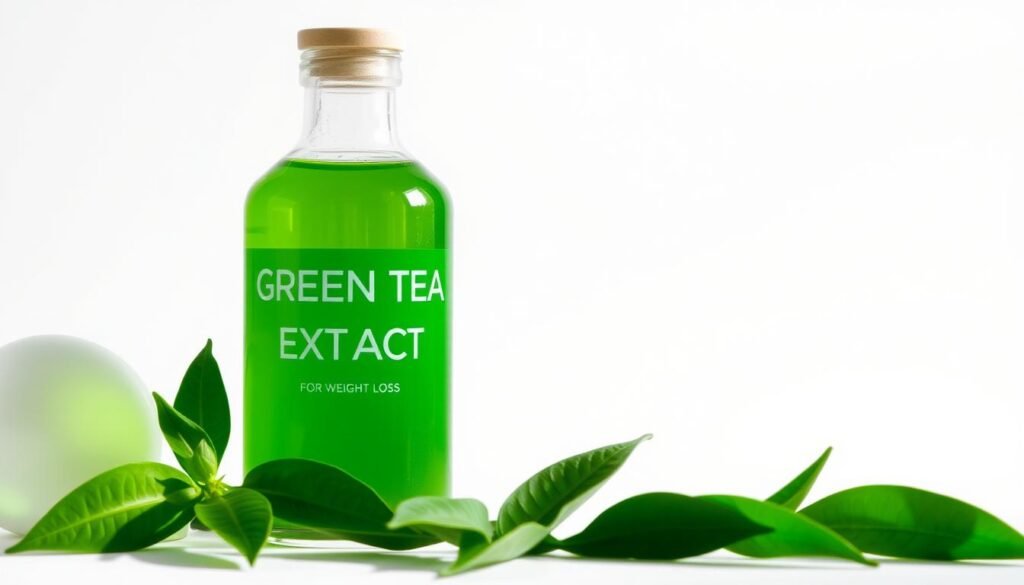
Green Tea Extract
Green tea extract is a top choice for weight loss. It’s packed with catechins, like EGCG, which helps with weight loss.
Mechanism of Action
Green tea extract boosts metabolism and fat burning. Its catechins also cut down fat absorption.
Effectiveness Rating
Studies show green tea extract can lead to modest weight loss. Its effectiveness is considered moderate.
Recommended Usage
For weight loss, take 250-500 mg of green tea extract daily. It should have 25-50% catechins. Always talk to a healthcare professional before starting.
Protein Supplements
Protein supplements are popular for weight loss. They help reduce hunger and increase fullness.
Mechanism of Action
Protein takes more energy to digest than carbs or fat. This boosts metabolism. It also helps keep muscle mass during weight loss.
Effectiveness Rating
Protein supplements are effective for weight loss with a controlled diet. Their effectiveness is high.
Recommended Usage
Take 1.2-1.6 grams of protein per kilogram of body weight daily. They’re great post-workout or as meal replacements.
Fiber Supplements
Fiber supplements aid in weight loss by making you feel full and regulating bowel movements.
Mechanism of Action
Fiber slows down digestion. This leads to a gradual release of nutrients and less overeating.
Effectiveness Rating
Fiber supplements are moderately effective for weight loss. They work best with a balanced diet.
Recommended Usage
Aim for 25-30 grams of fiber daily. Supplements can help meet your fiber needs.
Caffeine and Other Stimulants
Caffeine is a stimulant that boosts metabolism and fat burning.
Mechanism of Action
Caffeine stimulates the nervous system. This increases energy use and fat loss.
Effectiveness Rating
Caffeine is effective for weight loss, but its effects lessen over time due to tolerance.
Recommended Usage
Stick to 100-200 mg of caffeine daily, like 1-2 cups of coffee. Be aware of caffeine sensitivity and side effects.
In summary, these natural supplements offer hope for weight loss. But, it’s key to understand how they work and their recommended doses. Always consult a healthcare professional before adding supplements to your routine.
Popular Supplements With Limited Evidence
Some weight loss supplements are popular but don’t have enough proof they work. These supplements are used a lot, but we need to look closer at how well they work and if they’re safe.
Garcinia Cambogia
Garcinia Cambogia comes from a fruit and is thought to help with weight loss. People say it stops the body from making fat.
Claims vs. Reality
Studies on Garcinia Cambogia are mixed. Some say it might help with weight loss, but the evidence isn’t strong enough.
Potential Side Effects
Side effects can include stomach problems, headaches, and problems with certain medicines, like blood thinners.
Raspberry Ketones
Raspberry Ketones are in raspberries and might help with weight loss by speeding up metabolism.
Claims vs. Reality
Animal studies look promising, but we need more human trials to know for sure if they work.
Potential Side Effects
They might raise your heart rate and cause problems with other medicines.
Apple Cider Vinegar
Apple Cider Vinegar is used for health reasons, including weight loss. It might help you feel full and burn fat.
Claims vs. Reality
Some studies show it could help with weight loss, but we need more research to be sure.
Potential Side Effects
Drinking too much can upset your stomach and interact with medicines like diuretics.
CLA (Conjugated Linoleic Acid)
CLA is a fatty acid in meat and dairy that’s marketed for fat loss.
Claims vs. Reality
Some studies suggest CLA might help with fat loss, but the evidence is weak and results vary.
Potential Side Effects
Side effects could include stomach problems, insulin resistance, and liver issues.
| Supplement | Claims | Evidence | Side Effects |
|---|---|---|---|
| Garcinia Cambogia | Inhibits fat production | Mixed results | Gastrointestinal issues, headaches |
| Raspberry Ketones | Increases metabolism | Limited human studies | Increased heart rate |
| Apple Cider Vinegar | Suppresses appetite | Some positive studies | Digestive issues |
| CLA | Reduces body fat | Variable results | Gastrointestinal issues, insulin resistance |
The table shows these supplements have fans, but the proof they help with weight loss is weak. It’s important to know the possible side effects and talk to a doctor before taking them.
Potentially Dangerous Weight Loss Supplements to Avoid
Some weight loss supplements can be dangerous. It’s important to know which ones to stay away from. Many products promise quick weight loss, but some ingredients can be harmful.
Ephedra and Ephedrine Alkaloids
Ephedra and its derivatives can cause serious health problems. These include heart attacks, strokes, and even death, as the FDA has reported. Avoid any supplement containing ephedra or ephedrine alkaloids because the risks are too high.
DNP (2,4-Dinitrophenol)
DNP is a toxic substance that can lead to serious issues. These include overheating, cardiac arrest, and death. It’s banned in many places, but still found in some supplements. Be cautious of any product that seems too good (or bad) to be true.
Prescription Medications Sold as Supplements
Some products claim to be natural but actually contain prescription drugs. This is very risky. Always check the ingredients and look for third-party certifications.
Hidden Ingredients and Contaminants
Many supplements have hidden ingredients or contaminants. These can be harmful. Choose products from reputable manufacturers that follow good manufacturing practices (GMPs).
Warning Signs of Unsafe Supplements
Watch out for supplements that promise unrealistic results. Also, be cautious of those with unverified claims or unclear labeling.
“If it sounds too good to be true, it probably is.”
Always do your research and talk to a healthcare professional before trying a new supplement.
When looking for 有效的减肥补充剂 (effective weight loss supplements), put your health first. Stay away from dangerous products and choose 天然减肥补充剂 (natural weight loss supplements) from trusted sources.
Conclusion: Making Informed Choices About Weight Loss Supplements
Understanding weight loss supplements is complex. It’s important to know the industry’s truth and avoid false promises. This way, you can make smart choices for your health.
Weight loss supplements are not the magic solution. A healthy diet and exercise are essential. Look for natural supplements like green tea extract or protein that have scientific backing.
Be careful of supplements with little evidence or hidden ingredients. The best way to lose weight is naturally. By choosing natural methods and reading honest reviews, you can reach your goals.
There’s no quick fix for weight loss. The best approach is a healthy lifestyle. This commitment is key to losing and keeping off weight.
FAQ
Are weight loss supplements safe to use?
Not all weight loss supplements are safe. Some may have hidden ingredients or contaminants that can harm you. Always research and talk to a healthcare professional before using any supplement.
Do weight loss supplements really work?
Some supplements might help with weight loss, but it’s important to know the science behind them. Many are not proven to work, and some can be dangerous.
What are some natural weight loss supplements that show promise?
Natural supplements like green tea extract, protein, fiber, and caffeine might help with weight loss. But, it’s key to understand how they work and their effectiveness.
Are popular weight loss supplements like Garcinia cambogia and raspberry ketones effective?
These supplements are popular, but the evidence for their effectiveness is limited. It’s important to look at the claims, side effects, and interactions before deciding.
What are some potentially hazardous weight loss supplements to avoid?
Avoid Ephedra, ephedrine alkaloids, DNP, and prescription drugs sold as supplements. Knowing about hidden ingredients and contaminants can protect your health.
How can I make informed decisions about weight loss supplements?
To make smart choices, understand the industry, separate science from hype, and know about dangerous products. Always talk to a healthcare professional before adding supplements to your routine.
What is the best way to achieve sustained weight loss?
For lasting weight loss, focus on a balanced lifestyle with a healthy diet and regular exercise. Supplements can help, but they shouldn’t replace a healthy lifestyle.
How effective are fiber supplements for weight loss?
Fiber supplements can aid in weight loss by making you feel full and improving digestion. Choose a high-quality supplement and follow the recommended dosage.
Can caffeine help with weight loss?
Caffeine can boost metabolism and reduce appetite, helping with weight loss. But, use it in moderation and be aware of any side effects.